Highlighting the ‘sight-saving’ benefits of outdoor play
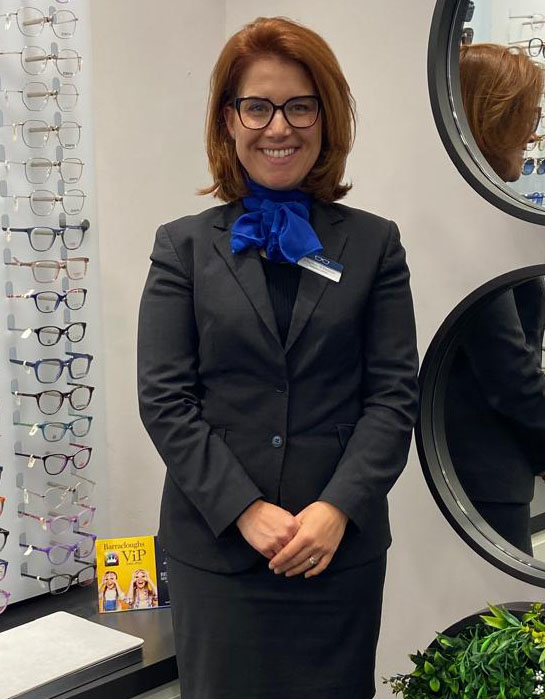
Charlene Whitmore F.B.D.O. Prof. Cert. P.E.
As a dispensing optician, I’m seeing more and more children developing myopia, also known as short-sightedness - and one of the simplest ways parents can help may be by encouraging more time outdoors and less time on screens.
Myopia causes distant objects to appear blurred and, in the UK, the number of children affected has doubled since the 1960s. As the condition progresses, it can increase the risk of more serious eye conditions later in life, including retinal detachment, which can potentially lead to sight loss.
As a specialist in paediatric dispensing, I am extremely passionate about children's eye care, and in support of Myopia Awareness Week (18 - 24 May 2026) I’m encouraging families in East Sussex to think about the balance between screen time and outdoor play. Now is the ideal time with the school holidays approaching and the evenings becoming lighter.
"The message really is simple - spend more time outside"
Research suggests that spending around two extra hours outside each day may help delay the onset of myopia in children who are more susceptible to developing it. Outdoor activities encourage children to use their full range of vision, rather than focusing constantly on close-up tasks such as phones, tablets and gaming devices.
I often explain to parents that both genetics and lifestyle factors can influence whether a child develops myopia and how quickly it progresses. While we can’t change genetics, there are positive habits families can introduce that may help protect their child’s eyesight in both the short and long term.
Now is the perfect opportunity to swap screens for fresh air, phones for playgrounds and online games for real-world adventures outdoors. The message really is simple - spend more time outside.
Start Early, Protect Vision for Life
With children using screens more than ever before, I also recommend regular breaks during close-up activities. A good habit to follow is the 20-20-20 rule: every 20 minutes, look away for 20 seconds at something around 20 feet away.
Studies predict that by 2050, half of the world’s population could be affected by myopia, which makes early detection and management increasingly important. Regular eye examinations can help identify changes early and allow appropriate steps to be taken to help slow progression.
At Barracloughs we can now provide specialist lenses which alter the way that light enters the eye, slowing down the progression of myopia in children. To find out more please get in touch, pop in or book a visit online.